
Welcome to EverClean Mold Removal
Mold Remediation West Palm Beach
15+
Who we are
Get to Know the Experts Behind EverClean Mold Removal.
Dedicated to restoring healthy, mold-free spaces for over 15 years.
Essential PPE and Protective Clothing for Mold Remediation West Palm Beach
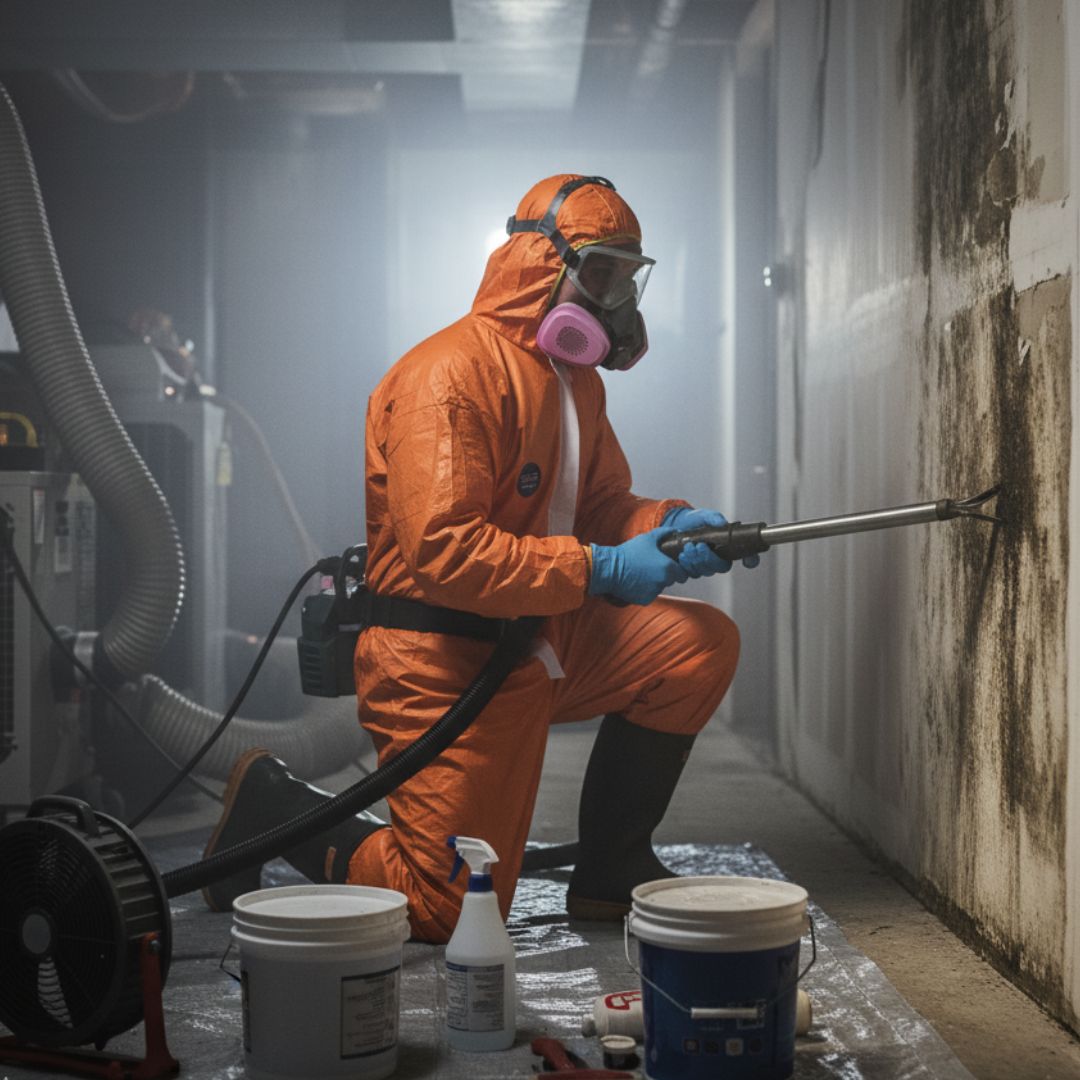
When dealing with mold remediation, wearing the right personal protective equipment (PPE) and protective clothing is a vital step in safeguarding your health. Mold spores can pose serious risks to your respiratory system, skin, and overall well-being. Comprehensive protection ensures that you can perform cleanup tasks efficiently without putting yourself at risk.
The Importance of PPE in Mold Remediation West Palm Beach FL
Mold cleanup often involves disturbing mold colonies, which releases spores into the air. These spores are microscopic and can easily penetrate your respiratory system or settle on exposed skin, causing potential health issues. Proper PPE minimizes exposure by creating a physical barrier between you and harmful contaminants.
Key reasons for wearing PPE include:
– Protecting against mold spore inhalation that may trigger respiratory problems.
– Preventing direct contact with mold, which can irritate or damage the skin.
– Shielding yourself from other hazardous substances like cleaning chemicals typically used in remediation.
Proper Essential PPE for West Palm Beach Mold Remediation
- Type: N95 respirators or higher-grade options such as P100 filters are essential. They prevent inhalation of airborne spores and dust particles.
- Fit: Ensure a snug fit to provide an airtight seal around your nose and mouth.
- Safety goggles shield your eyes from dust particles, spores, and splashes from cleaning solutions.
- Anti-fog goggles are recommended if working in humid environments.
- Use long gloves made of nitrile or rubber to prevent skin contact with mold or harsh cleaning products.
- Avoid porous materials like cloth gloves as they absorb moisture easily.
- Opt for full-body suits made of non-porous material to protect your entire body.
- Disposable options help reduce cross-contamination risks after cleanup.
- Wear waterproof boots that are easy to clean after use.
- Consider using disposable boot covers during the process.
Essential Protective Gear Tips for Mold Remediation West Palm Beach FL
- Always inspect gear for tears or damage before beginning work.
- Change disposable items such as gloves and masks frequently if working for extended periods.
- Remove contaminated clothing carefully to avoid releasing spores into clean areas.
- Dispose of used PPE in sealed bags after finishing remediation.
| Protective Equipment | Purpose | Recommended Material/Type | Disposal Guidelines |
| Respirator | Protects respiratory system | N95/P100 | Single-use; dispose immediately |
| Goggles | Shields eyes | Anti-fog safety goggles | Clean with disinfectant post-use |
| Gloves | Prevents skin irritation | Nitrile/Rubber | Single-use; seal in plastic after use |
| Coveralls/Suits | Full body protection | Non-porous material | Dispose if single-use; wash otherwise |
| Boots | Protects feet | Waterproof material | Wash thoroughly post-remediation |
Proper preparation is key when tackling any mold remediation project. By equipping yourself with high-quality PPE and protective clothing designed specifically for this purpose, you ensure both effectiveness in removing mold contamination and long-term preservation of your health during the process.
Finding Trusted Mold Remediation Professionals West Palm Beach FL to Ensure Safe Cleanup
Mold remediation can pose significant health risks if proper precautions are not taken. One of the most important steps in ensuring safety during mold removal is choosing the right Personal Protective Equipment (PPE). This article outlines the essential PPE components to safeguard your health during cleanup and provides guidance on selecting effective gear.
The Importance of PPE for Mold Removal West Palm Beach FL
Mold spores, particularly those from toxic molds such as Stachybotrys chartarum (commonly referred to as black mold), can become airborne during cleanup efforts. Exposure to these spores may lead to:
- Respiratory issues, including asthma attacks and allergic reactions
- Skin irritation or rashes
- Eye irritation and redness
- In severe cases, long-term exposure could contribute to chronic illnesses or fungal infections
Wearing proper PPE minimizes direct contact with mold spores and reduces the chances of inhaling harmful particles. It is essential for both professional contractors and DIY enthusiasts undertaking mold remediation projects.
Finding the Right Mold Specialist West Palm Beach for Effective Remediation
- Purpose: Protects against inhaling airborne mold spores and dust particles.
- Recommended Type:
- N95 respirators or higher-grade masks (such as N100) are often sufficient for small-scale remediation tasks.
- Full-face respirators with P100 filters are ideal for larger infestations or toxic molds.
- Avoid basic cloth masks as they do not provide adequate protection against microscopic particles.
- Disposable coveralls are a must to prevent mold spores from clinging to your regular clothing or coming into contact with your skin. Look for coveralls made from materials like Tyvek, which offer comprehensive protection while being lightweight and breathable.
- Long sleeves and pants made of non-permeable material should be worn if disposable coveralls aren’t available.
- Ensure the protective clothing covers all areas, including wrists and ankles.
- Use nitrile, rubber, or neoprene gloves that resist chemicals often used during mold removal (e.g., disinfectants). Avoid fabric gloves that may absorb moisture or chemicals.
- Safety goggles should be worn to shield your eyes from spore exposure and chemical splashes while cleaning.
- Opt for goggles without ventilation holes to ensure no particles enter.
- Sturdy rubber boots that can be cleaned easily are preferred over regular shoes since they prevent contamination when working in damp areas.
- Cover boots with disposable shoe covers for added protection if required.
- A disposable hood or cap can protect hair from trapping spores during extensive cleanup tasks.
Tips for Ensuring Proper Usage of PPE
- Always inspect gear prior to use for signs of damage or wear.
- Follow manufacturer instructions regarding proper fit and usage of respirators.
- Dispose of single-use items like gloves, shoe covers, and coveralls immediately after use in sealed plastic bags.
- Clean reusable items such as goggles, boots, or full-face respirators thoroughly using recommended cleaning agents.
- Avoid touching your face while wearing contaminated gloves or gear.
- Wash exposed skin thoroughly after removing all PPE.
Comparing Different Types of PPE
| PPE Component | Reusable vs Disposable Options | Recommended Use Case |
| Respirator Masks | Reusable (full-face) / Disposable (N95) | Larger infestations / Small cleanups |
| Coveralls | Disposable | All remediation efforts |
| Gloves | Disposable | Handling chemicals & preventing contact |
| Goggles | Reusable | Ongoing protection |
Proper selection of these items ensures comprehensive safety while dealing with potentially hazardous materials like mold growth in indoor environments.
By investing in high-quality protective equipment suited specifically for mold remediation purposes, individuals can significantly reduce health risks associated with this critical task while improving work efficiency in hazardous conditions without sacrificing their well-being.
Effective Mold Removal West Palm Beach: Choosing the Best PPE for a Safe Cleanup
When tackling mold remediation, ensuring personal safety should be the top priority. Mold exposure can lead to serious health risks, including respiratory issues, allergic reactions, and other complications. Selecting the appropriate Personal Protective Equipment (PPE) is crucial to minimize these risks and safeguard your well-being during the cleanup process.
Key Components of Mold Remediation PPE
- A high-quality respirator is vital to prevent inhalation of mold spores.
- Recommended options include:
- N95 Respirators: Affordable and widely available, suitable for limited exposure in small-scale jobs.
- Full-Face Respirators with HEPA Filters: Provide comprehensive protection for larger projects or prolonged exposure.
- Ensure the respirator fits snugly and is NIOSH-approved (National Institute for Occupational Safety and Health).
- Wear disposable or washable full-body coveralls designed to shield your skin from mold contact.
- Key features to consider:
- Non-porous material to prevent spores from adhering.
- Elastic cuffs at wrists and ankles for a secure fit.
- Common types include Tyvek suits or similar protective garments.
- Choose gloves that are resistant to mold-contaminated water and cleaning chemicals.
- Latex gloves are effective but may not be durable enough for heavy-duty work.
- For better chemical resistance, opt for nitrile or rubber gloves.
- Safety goggles or a full-face respirator shield the eyes from airborne particles and cleaning agents.
- If using goggles alone, ensure they’re non-vented to prevent spore entry.
- Select waterproof boots or shoe covers that can be easily cleaned after use.
- Disposable boot covers offer additional protection against cross-contamination.
| PPE Type | Purpose | Examples |
| Respiratory Gear | Protects against inhalation | N95 masks, full-face respirators |
| Protective Suits | Shields skin from spores | Tyvek suits |
| Gloves | Prevents contact with contaminants | Latex, nitrile |
| Goggles | Protects eyes | Non-vented safety goggles |
| Footwear | Shields feet from contamination | Waterproof boots |
Additional Tips for Choosing PPE
- Always read product labels and certifications to ensure compliance with safety standards.
- Discard disposable PPE after use; never reuse items like masks or gloves as they may spread contamination.
- If reusable gear is used (e.g., respirators), clean it thoroughly following manufacturer guidelines after each use.
Importance of Proper Fit
Improperly fitting PPE can reduce its effectiveness during mold remediation tasks: – Respirators must create an airtight seal around the nose and mouth. – Coveralls should fit comfortably but not loosely enough to snag on objects during cleanup.
By selecting high-quality PPE tailored to your job’s scale and complexity, you’ll greatly reduce health risks while ensuring effective containment of hazardous materials during mold removal tasks. Having the right gear not only safeguards your health but also facilitates a safer cleanup environment overall.
Mold Inspection West Palm Beach: Essential Safety Clothing for Effective Removal and Remediation
When it comes to mold removal and remediation, wearing the proper safety clothing is essential to protect yourself from potential health risks. Mold spores can easily become airborne during the cleanup process, leading to respiratory issues, skin irritation, and other complications. Ensuring you have the right protective clothing can make all the difference in keeping you safe while effectively tackling mold contamination.
Why Proper Safety Clothing Matters
Mold exposure can pose serious health risks if precautions are not taken. During mold removal, spores can spread through the air and settle on your skin or clothing. Without appropriate protective gear, you may be exposed to allergens, toxins, or irritants that could affect your well-being. Safety clothing acts as a barrier between you and harmful contaminants.
Key Components of Mold Remediation Safety Clothing
- Disposable coveralls made of materials such as Tyvek are recommended for full-body protection.
- Ensure the suit is resistant to tears and has elastic cuffs for a snug fit around wrists and ankles to minimize exposure.
- Opt for suits with hoods to shield your hair from mold spores.
- Use non-porous gloves made of nitrile or rubber to prevent mold contact with your hands.
- Avoid fabric or latex gloves without a waterproof layer as they may allow moisture penetration.
- A NIOSH-approved respirator (such as an N95 or P100 mask) is critical for filtering out airborne mold spores.
- For severe infestations or extended exposure, consider a half-face or full-face respirator with HEPA filters.
- Wear safety goggles that provide coverage on all sides to protect your eyes from irritants.
- Avoid open-sided glasses that leave gaps where spores could enter.
- Waterproof boots are vital for protecting your feet in damp environments.
- Use disposable boot covers over shoes to prevent tracking contaminated material outside of affected areas.
- Hairnets or hooded suits offer additional protection by preventing spores from settling into hair strands.
Additional Tips for Using Protective Clothing
- Always ensure a proper fit for all items; loose-fitting PPE may allow contaminants inside.
- Remove and dispose of disposable PPE carefully after each use; avoid shaking contaminated items which could release trapped spores into the air.
- Wash reusable equipment (e.g., goggles) thoroughly with soap and water after completing remediation tasks.
- Do not reuse disposable items like gloves, boot covers, or suits as they may retain traces of mold even after cleaning attempts.
| Safety Item | Purpose | Reusable/Disposable |
| Protective suit | Shields skin and clothes | Disposable |
| Gloves | Protects hands from direct contact | Disposable |
| Respirator | Filters airborne particles | Reusable (with filters) |
| Goggles | Protects eyes from irritation | Reusable |
| Waterproof footwear | Prevents foot contact with damp areas | Reusable/Disposable |
Dressing Safely Before Mold Cleanup
- Put on gloves first before handling other PPE equipment.
- Securely zip up protective coveralls; tuck gloves under sleeve cuffs if possible.
- Adjust eye protection so it fits snugly without fogging up during activity.
- Fit your respirator properly according to manufacturer instructions—check seal integrity before entering contaminated spaces.
By adhering closely to safety clothing protocols outlined above during every stage of remediation work ensures both effective cleanup outcomes while prioritizing personal health safeguards throughout operations effectively avoiding contaminant risk spread further .
Essential Tips for Water Damage Restoration West Palm Beach FL: Protect Yourself When Cleaning Mold-Infested Areas
When working in mold-infested areas, protecting yourself with the right gear is essential to minimize health risks. Mold exposure can lead to respiratory issues, skin irritation, and other health concerns if proper precautions are not taken. This guide outlines how to equip yourself with the appropriate gear for safe and effective mold remediation tasks.
Essential Protective Gear
- N95 Respirators: Designed to filter out 95% of airborne particles, including mold spores, these masks provide basic protection for small-scale cleanup projects.
- P100 Respirators: For higher levels of protection, P100 respirators filter nearly 100% of airborne particles and are recommended for larger jobs or severe contamination.
- Full-face respirators may be necessary if there is a risk of mold affecting your eyes or if you’re dealing with heavy infestations.
- Use disposable coveralls made from non-porous material. These prevent spores from attaching to your clothing and spreading outside the work area.
- Opt for long sleeves and pants that provide complete coverage.
- Elastic cuffs on wrists and ankles help ensure no gaps remain exposed.
- Safety goggles without ventilation openings protect your eyes from mold spores and cleaning chemicals.
- If using bleach or other strong cleaning agents, chemical-resistant goggles are recommended.
- Non-porous gloves made from nitrile, rubber, or neoprene should be worn to prevent direct contact with contaminated surfaces and harsh chemicals.
- Avoid latex gloves as they may degrade when exposed to certain cleaning agents.
- Waterproof boots or shoe covers help avoid tracking contaminants across clean areas.
- Anti-slip soles are ideal since wet environments during cleanup can create slippery conditions.
Dressing Properly for Mold Remediation
| Step | Protective Item | Purpose |
| 1 | Wear disposable coveralls | Prevent contact between mold spores and your skin/clothing |
| 2 | Put on gloves | Protect hands from contaminants and cleaning chemicals |
| 3 | Secure footwear covers | Avoid transferring spores via shoes |
| 4 | Don a respirator/mask | Minimize inhalation of airborne particles |
| 5 | Add goggles | Safeguard eyes against irritants such as dust, spores, or chemical splashes |
Tips for Effective Use of Protective Gear
- Ensure all items fit snugly without restricting movement or airflow.
- Discard disposable PPE after use in sealed plastic bags to avoid cross-contamination.
- Clean reusable gear like goggles thoroughly after each session using disinfectant solutions suitable for safety equipment.
- Inspect protective clothing beforehand for any tears or defects that could compromise their effectiveness.
By wearing appropriate protective equipment tailored to the severity of the mold infestation, you reduce exposure risks significantly while ensuring a safer remediation process overall. Remember that investing in high-quality gear contributes directly to your long-term health when dealing with hazardous situations like these.
Our value
Your Trusted Partner for Professional Mold Removal & Remediation Solutions
We are committed to helping homeowners and businesses create safe, healthy, and mold-free environments. Our certified experts provide thorough inspections, advanced remediation, and long-term prevention to ensure lasting protection for your property.
To be the leading mold remediation company known for restoring safe indoor environments and improving the health and well-being of every client we serve.
To provide reliable, eco-friendly, and efficient mold removal services using advanced technology and industry best practices — ensuring your home remains clean, dry, and free from harmful mold.
What we offer
Customized Pest Control Plans for Homes and Businesses.
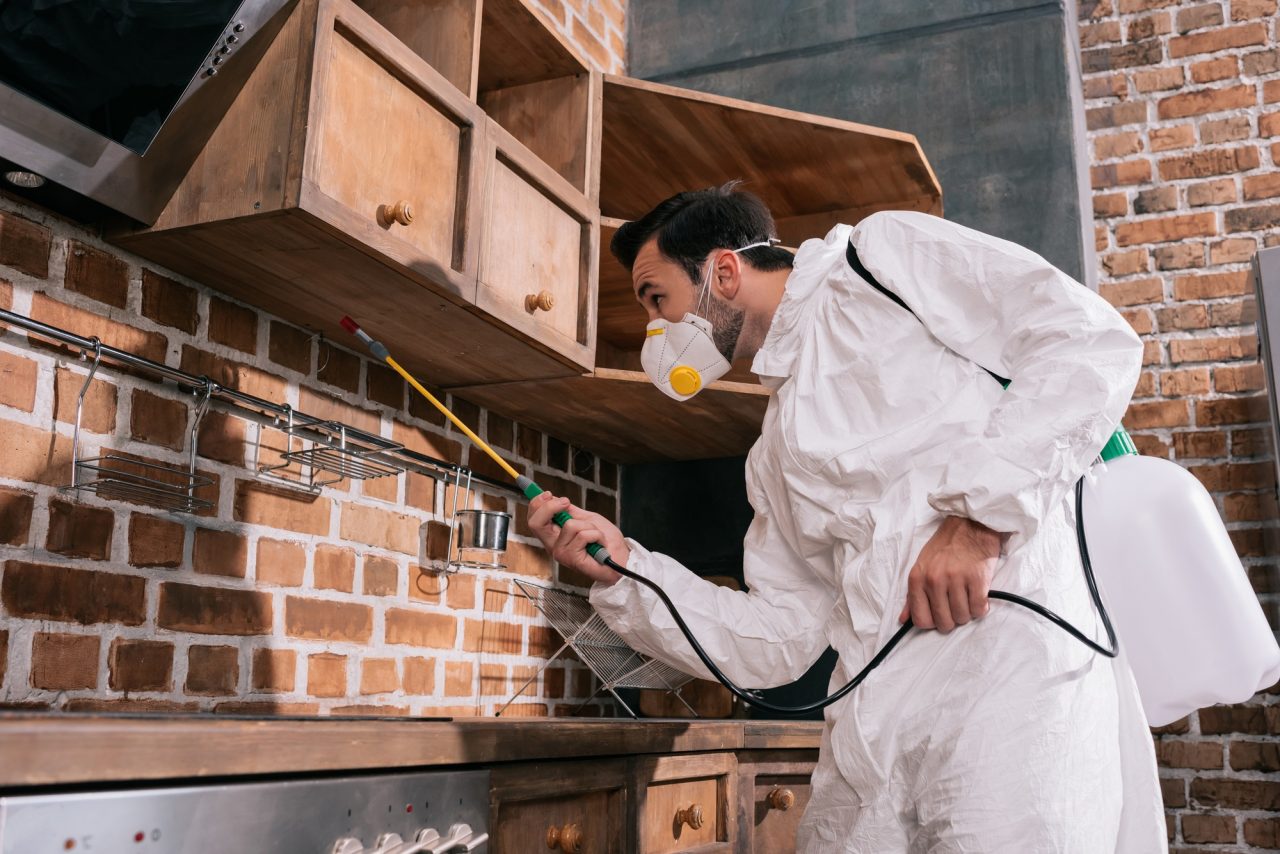
Professional inspection to detect visible and hidden mold growth, ensuring a safe and healthy living environment for your family.
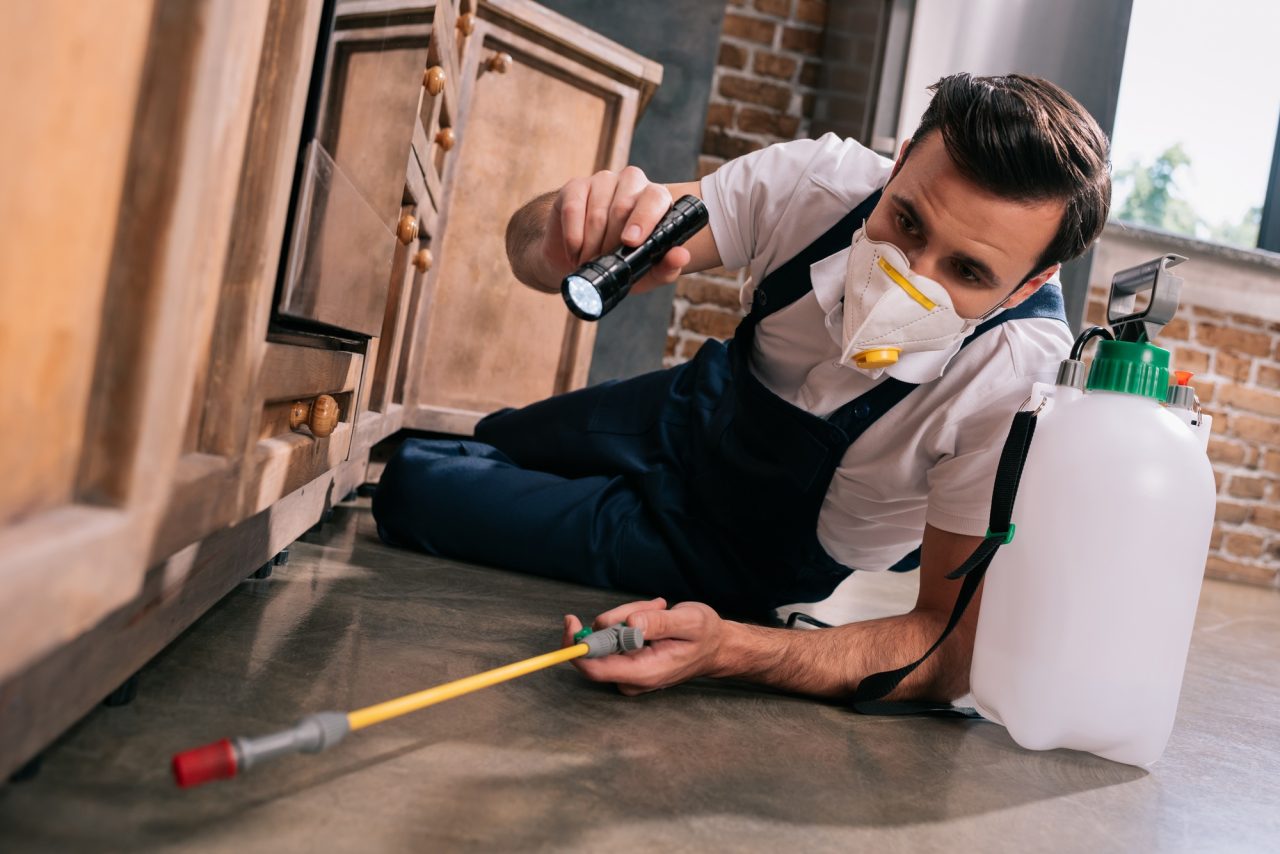
Comprehensive mold removal services for offices, buildings, and industrial spaces designed to maintain clean indoor air quality.
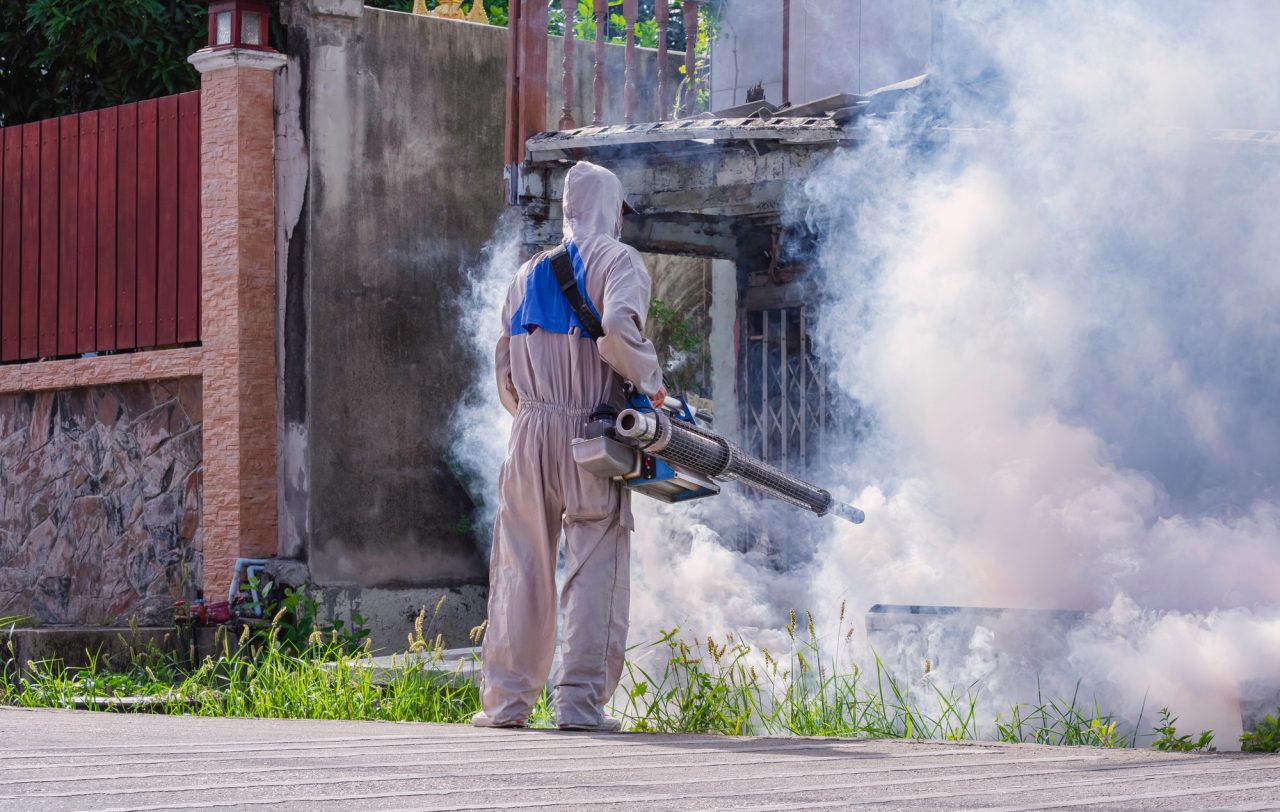
Accurate testing and analysis to identify mold spores and assess the air quality in your home or workplace.
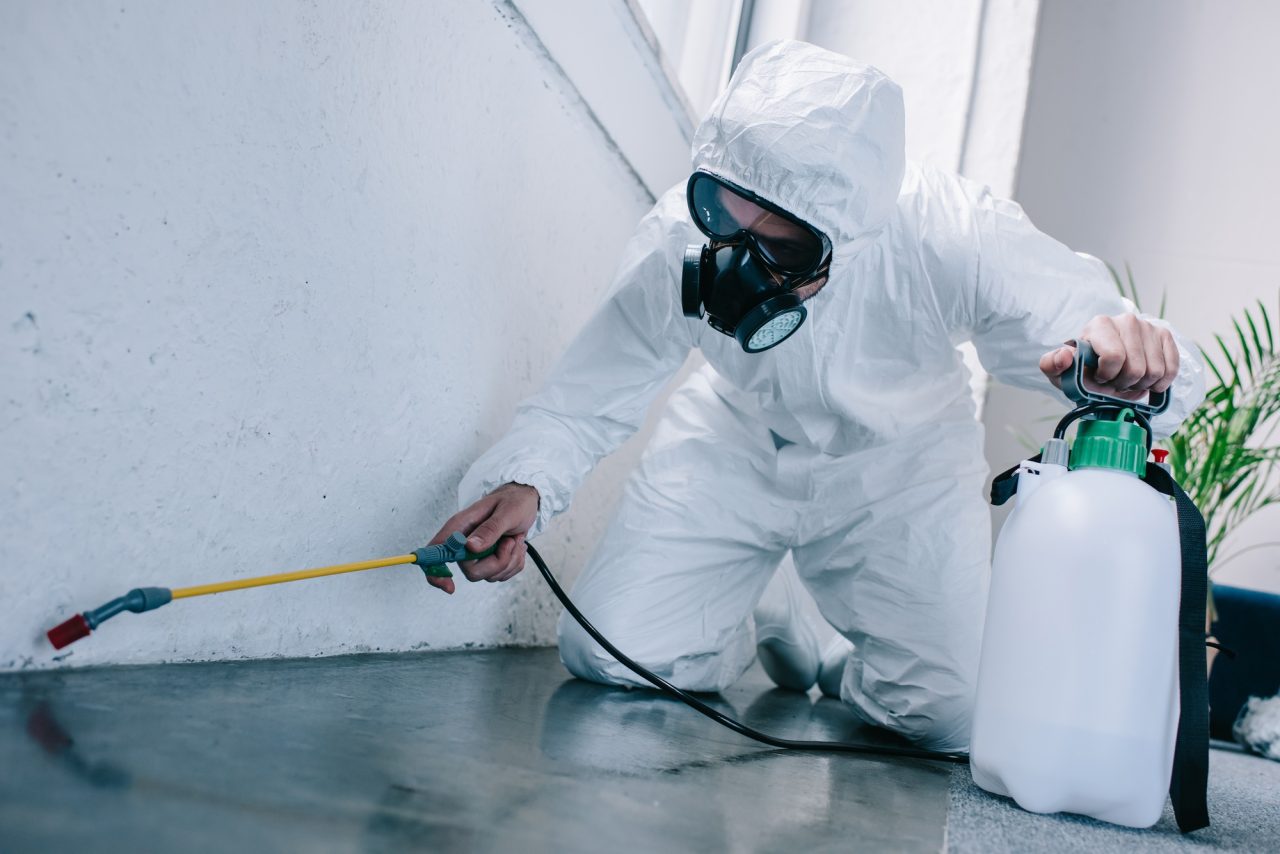
Advanced tools to identify sources of excess moisture and prevent future mold growth.
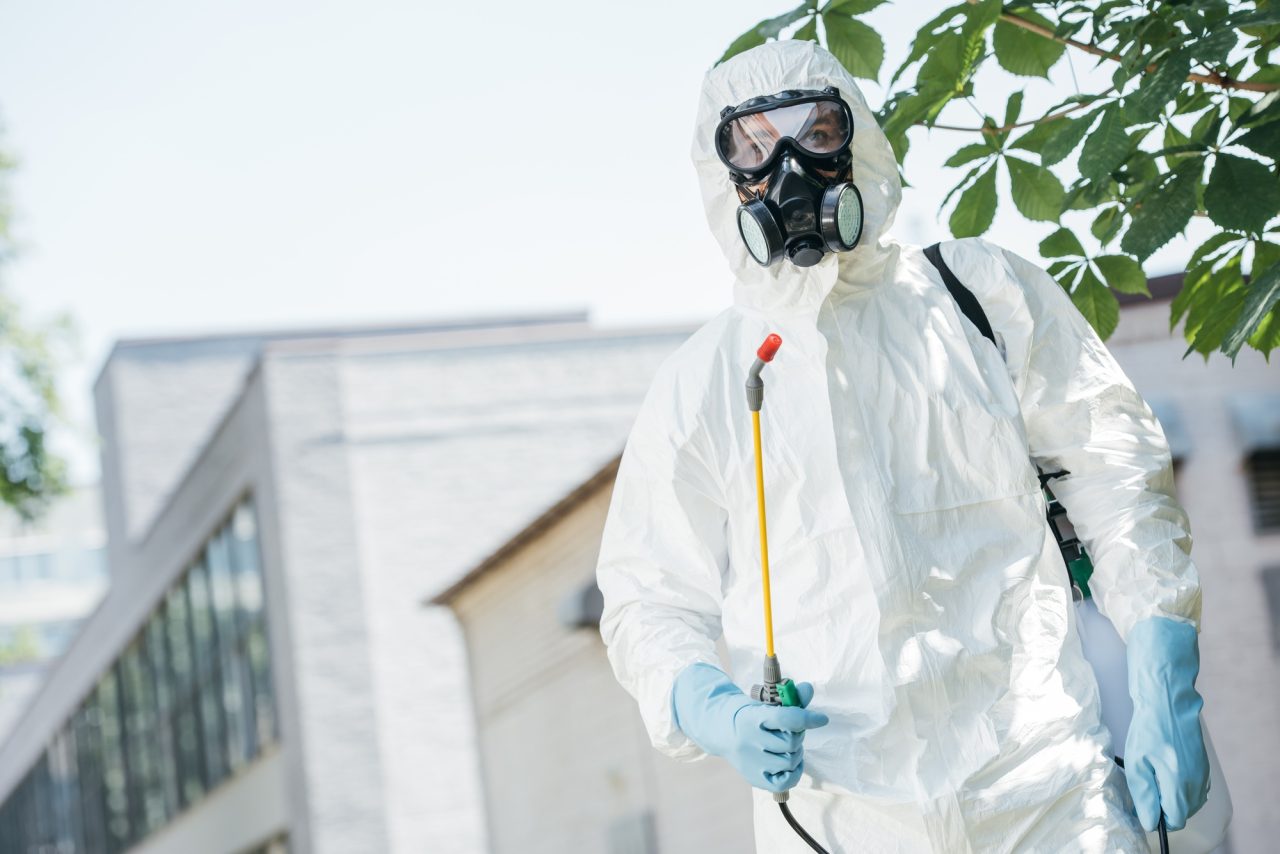
Fast-response remediation services available for urgent mold issues caused by flooding, leaks, or high humidity.
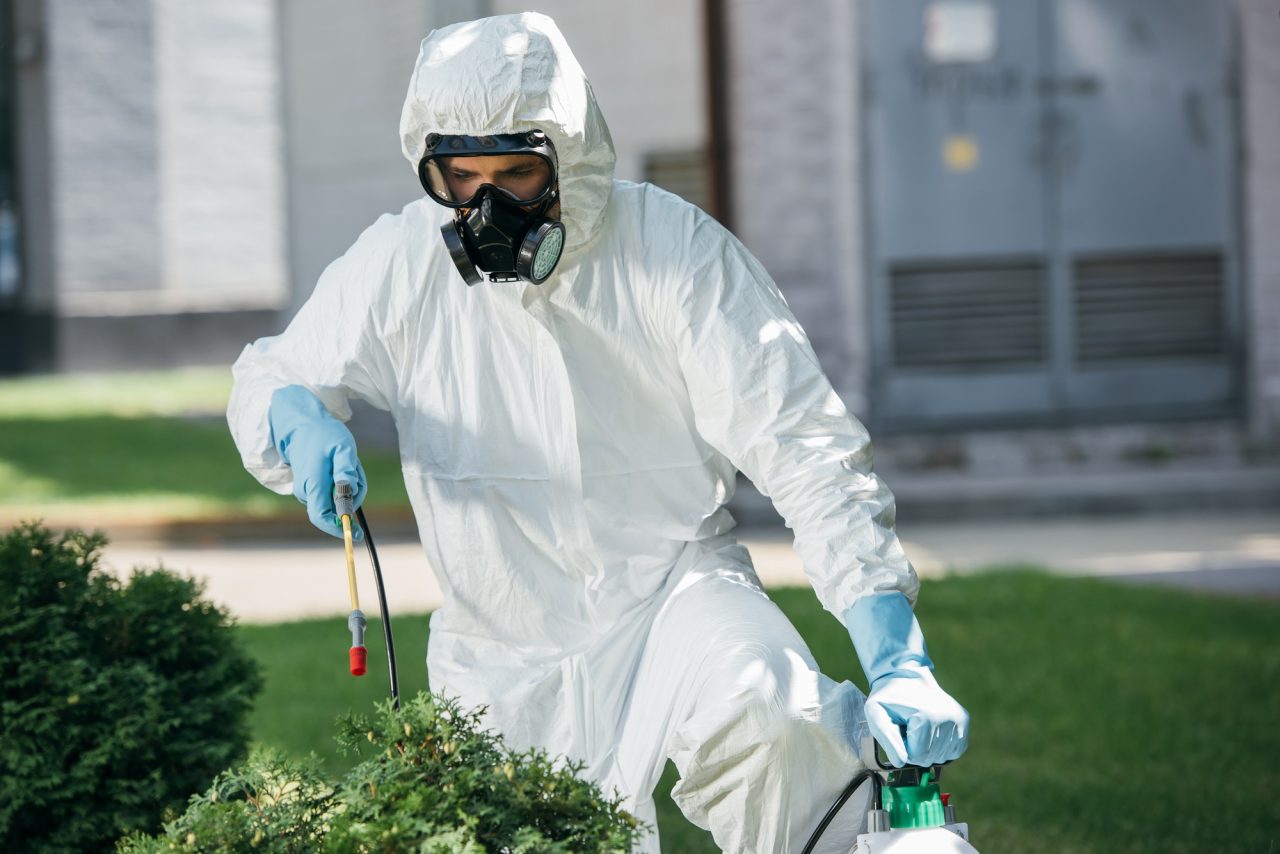
Safe, non-toxic products and sustainable cleaning methods that protect both your health and the environment.
Areas Served
Need More Help?
Our team is ready to provide expert mold removal assistance.
Get personalized guidance from our certified mold specialists to assess your situation and recommend the right service.
Need immediate mold inspection or removal? Submit a service request and our team will respond promptly.
For ongoing remediation projects or post-service maintenance, our support team is here to help.
Read our latest guides and articles on mold prevention, indoor air safety, and home maintenance.
Trusted by 25,000+ world-class brands and organizations of all sizes