
Welcome to EverClean Mold Removal
Mold Remediation Miami
15+
Who we are
Get to Know the Experts Behind EverClean Mold Removal.
Dedicated to restoring healthy, mold-free spaces for over 15 years.
Comprehensive Guide to Mold Inspection Miami: 5 Steps for Effective Mold Removal
Mold can cause significant damage to both property and health if not addressed properly. Understanding the steps for proper mold remediation is essential for ensuring a thorough and effective cleanup. Here, we break down the process into five comprehensive steps that ensure success in removing mold from any affected area.
Identify the Source of Moisture for Water Damage Restoration Miami FL
- Inspect Areas Prone to Moisture: Bathrooms, kitchens, basements, and areas with poor ventilation are common places where moisture accumulates.
- Check for Leaks: Look around plumbing fixtures, roofs, windows, and foundations for signs of water leakage.
- Test Humidity Levels: Use a hygrometer to measure indoor humidity levels. Ideally, maintain humidity below 60% to discourage mold growth.
By addressing the underlying cause of moisture first, you can prevent future outbreaks.
Effective Mold Remediation Miami FL: Assessing the Extent of Mold Growth
| Level | Description | Action Required |
| Small (under 10 sq ft) | Minor growth in isolated spots like corners or vents | DIY cleaning may suffice |
| Medium (10–100 sq ft) | Spread across rooms but confined to specific areas | Consider hiring a professional |
| Large (100+ sq ft) | Extensive contamination affecting structural elements or HVAC systems | Professional remediation is required immediately |
Use personal protective equipment (PPE), such as gloves and masks during this stage to avoid exposure.
Contain the Affected Area During Miami Mold Remediation
- Use plastic sheeting secured with duct tape to isolate contaminated zones.
- Close windows and doors that connect to unaffected spaces.
- Install air filtration devices equipped with HEPA filters.
- Ensure airflow forces spores outdoors rather than allowing them to spread indoors.
Containment reduces cross-contamination risks significantly.
Effective Steps for Mold Remediation Miami FL Residents Can Trust
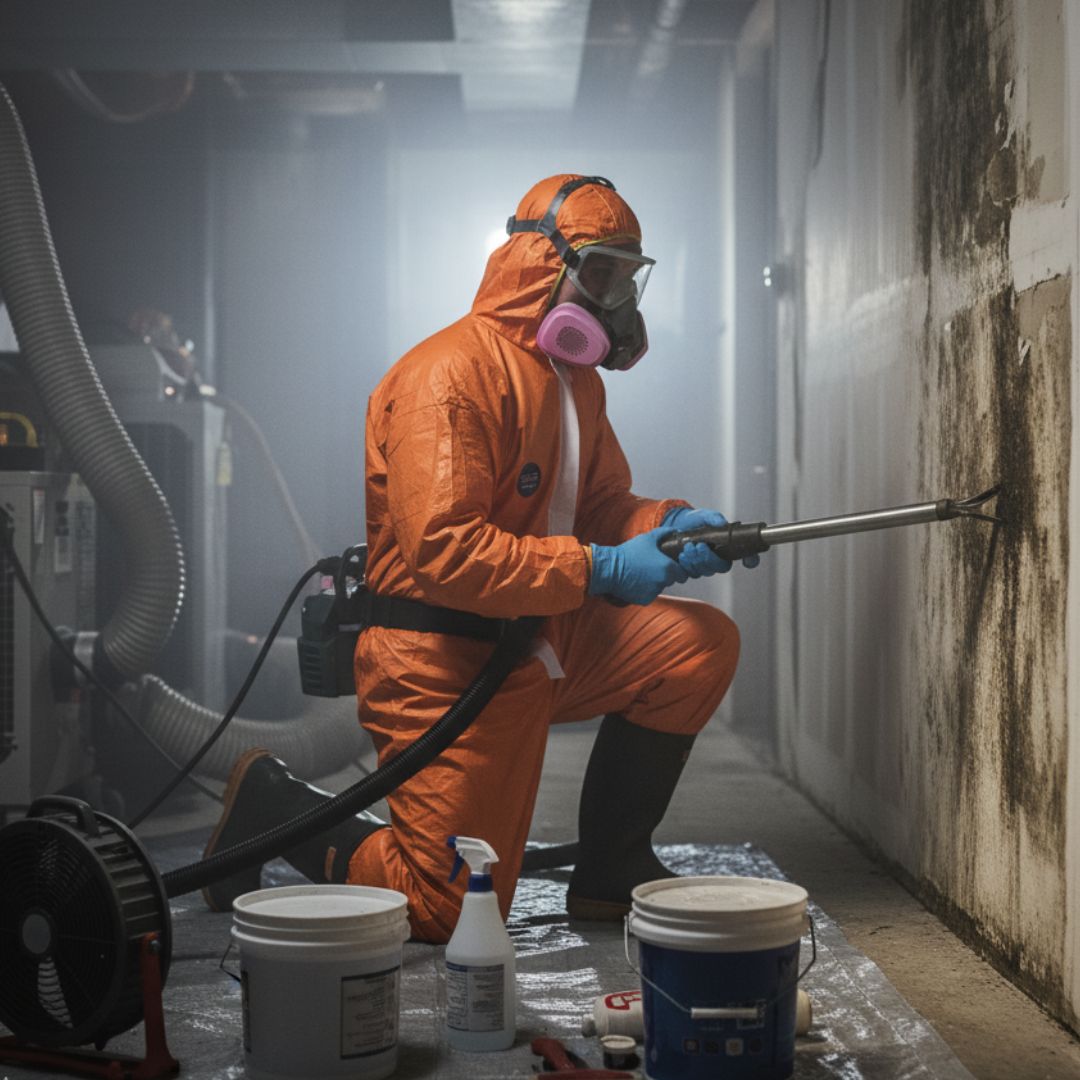
- Wear PPE: Coveralls, gloves, goggles, and respirators are essential.
- Use detergent solutions or commercial mold cleaners on materials like glass or metal.
- Rinse and dry completely.
- Items like drywall, carpet, or insulation should be removed if mold-infested.
- Double-bag waste material in plastic bags before disposal.
- Vacuum debris from floors using a vacuum equipped with a HEPA filter designed to trap microscopic spores effectively.
Do not scrape dry mold off surfaces as it causes spores to become airborne.
Mold Removal Miami FL to Restore Your Space
- Inspect treated areas using moisture meters or infrared cameras.
- Reinstall new building materials if necessary (e.g., drywall or insulation).
- Apply anti-microbial coatings on surfaces prone to future infestation.
- Improve ventilation systems by adding dehumidifiers or exhaust fans where needed.
This final step ensures your property remains safe from future outbreaks while restoring its integrity.
Effective Mold Remediation Miami: Protecting Your Property and Health
Mold growth is a common yet serious issue that can have both short-term and long-term consequences for your property and health. Properly assessing mold contamination is the first step in addressing the problem effectively. This phase involves identifying signs of mold, understanding its causes, and evaluating potential health risks.
Finding a Trusted Mold Specialist Miami Residents Can Rely On
- Visible discoloration: Mold typically appears as black, green, white, or yellow patches on walls, ceilings, or floors.
- Musty odors: A persistent damp or musty smell often points to hidden mold growth behind walls or under carpets.
- Health symptoms: Frequent allergies, respiratory issues, headaches, or skin irritation may indicate exposure to mold spores in your environment.
If you notice these signs, it’s crucial to investigate further to confirm the presence of mold.
Common Causes of Mold
- Moisture buildup: Leaking pipes, poor ventilation, or flooding can create an ideal environment for mold growth.
- High humidity levels: Indoor humidity over 60% encourages condensation and provides conditions for mold to thrive.
- Poor maintenance: Delayed repairs to water damage or improperly sealed areas allow moisture intrusion.
Addressing these root causes is essential when planning remediation efforts.
The Impact of Mold on Property and Health
Structural Impact
- Weakened materials: Mold breaks down wood, drywall, insulation, and other building materials over time.
- Decreased property value: Buyers are less likely to invest in properties with unresolved mold issues.
- Increased repair costs: The longer mold persists, the more extensive (and expensive) remediation becomes.
Health Risks
For occupants exposed to significant amounts of mold spores: – Respiratory illnesses such as asthma or bronchitis may develop. – Allergic reactions like sneezing, watery eyes, and skin rashes are common. – Prolonged exposure could lead to more severe conditions such as fungal infections.
Steps for a Thorough Assessment
- Conduct a visual inspection of areas prone to moisture (e.g., basements).
- Use moisture meters or hygrometers to measure humidity in suspect areas.
- Hire a professional inspector for air sampling if visible signs are absent but symptoms persist.
- Document findings through photographs and written notes for later reference during remediation planning.
| Assessment Tool | Purpose | Example Use Case |
| Moisture Meter | Detect dampness within materials | Checking drywall after water damage |
| Hygrometer | Measure indoor humidity | Monitoring HVAC system performance |
| Thermal Imaging Camera | Identify hidden leaks | Locating water intrusion behind walls |
By identifying sources of moisture early on and understanding how they contribute to mold development, homeowners can mitigate risks while protecting their investment effectively.
Finding Reliable Mold Remediation Professionals Miami FL for Effective Contamination Solutions
Accurately determining the extent of mold contamination is a critical step in any remediation process. Without a clear understanding of the problem’s scope, efforts to address mold growth may be insufficient or misdirected. This section outlines key strategies and methods to calculate the level of contamination effectively, ensuring a targeted and thorough approach.
Why Assessing Mold Contamination Matters
- Targeted Remediation: Knowing where and how much mold exists ensures resources are allocated efficiently.
- Health Risk Evaluation: Some types of mold produce allergens or toxins that can affect health. A proper assessment helps identify potential risks.
- Preventing Further Spread: Early identification and containment protect unaffected areas from becoming contaminated.
1. Visual Inspection
- Checking for visible mold in common problem areas like basements, attics, bathrooms, and around plumbing fixtures.
- Looking for signs of water damage, such as discoloration on walls and ceilings or warped surfaces.
- Identifying areas with high humidity levels or poor ventilation that could support mold growth.
2. Measuring Affected Areas
| Area Size | Contamination Level |
| Less than 10 sq ft | Small (Localized) |
| 10–100 sq ft | Moderate |
| Over 100 sq ft | Large (Extensive) |
These measurements help determine whether professional remediation services are necessary.
3. Air Quality Testing
Air sampling provides insight into hidden mold problems that may not be visible during an inspection. This method assesses the concentration of airborne spores within a given area.
Two common air quality testing approaches include: – Spore Traps: Collect airborne particles on a sticky surface for laboratory analysis. – Culture-Based Sampling: Captures live spores to determine specific mold types.
4. Moisture Mapping
Since moisture is an essential factor in mold growth, identifying sources of water intrusion is crucial. Use tools like moisture meters or infrared cameras to detect dampness behind walls or under flooring.
5. Professional Laboratory Analysis
For extensive infestations or when toxic molds such as Stachybotrys chartarum (black mold) are suspected, collecting samples for laboratory analysis may be necessary. Laboratories can provide detailed reports about: – Mold species present. – Spore counts. – Potential health impacts associated with exposure.
Factors That Influence Mold Spread
- Humidity Levels: Indoor humidity above 60% creates an ideal environment for molds.
- Ventilation Issues: Poor airflow traps moisture and spores in confined spaces.
- Material Porosity: Porous materials like drywall or fabric absorb moisture more readily than nonporous surfaces such as tile or glass, making them more susceptible to infestation.
Key Indicators Requiring Immediate Attention
Certain warning signs indicate severe contamination that requires urgent action: – Persistent musty odors despite cleaning efforts. – Recurring mold growth after previous removal attempts. – Unexplained respiratory symptoms among occupants (e.g., allergies, asthma).
By carefully calculating the extent and severity of contamination using these methods, property owners can ensure appropriate steps are taken toward effective remediation while minimizing health risks and damage costs over time.
Effective Tips for Thorough Mold Removal Miami Homeowners Can Trust
Ensuring that mold cleanup has been thorough and effective is a critical step in the remediation process. Proper verification can protect your property from recurring issues and safeguard the health of its occupants. Below is a comprehensive guide on how to determine whether mold cleanup has been successful.
Key Indicators of Effective Mold Remediation
- The most basic step in determining the success of mold removal is conducting a detailed visual inspection.
- Check previously affected areas for any visible signs of mold growth, such as discoloration or black, green, or white patches.
- Ensure surfaces are clean and free from any stains or residue caused by mold.
- Mold often leaves behind a strong musty smell. If this odor persists after remediation, it may indicate lingering problems.
- Walk through remediated areas carefully to ensure there are no odors suggesting hidden mold growth.
- Since mold thrives in damp environments, moisture control is critical to preventing regrowth.
- Use a moisture meter to measure humidity levels in the affected area. Ideal indoor humidity should be between 30-50%.
- Verify that water leaks or sources of excessive moisture have been repaired and eliminated.
- Professional air quality testing can detect mold spores that may not be visible to the naked eye.
- Air samples are collected before and after remediation efforts for comparison, ensuring spore levels have returned to normal.
- Engage certified professionals for this task as they use specialized equipment for accurate results.
Verification Through Post-Remediation Evaluation
- Inspection Report Review: Verify that all areas outlined in the initial remediation plan have been addressed.
- Air Sampling Results Comparison: Examine pre- and post-remediation air sample results for acceptable spore levels.
- Surface Testing: Professionals may use swab tests on surfaces to confirm no residual contamination remains.
Signs That Cleanup May Be Incomplete
| Potential Issue | Explanation |
| Visible Mold Growth | Indicates insufficient cleaning or undetected sources. |
| Persistent Dampness | Could point to unresolved water damage issues. |
| Health Concerns Persisting | Allergic reactions or respiratory issues continuing. |
Best Practices for Long-Term Prevention
To maintain a mold-free environment after successful cleanup: – Regularly inspect areas prone to moisture (e.g., basements, bathrooms). – Address leaks and control indoor humidity using dehumidifiers when necessary. – Ensure proper ventilation in high-moisture areas like kitchens or laundry rooms.
Taking these steps can help ensure your property remains safe and healthy over time while minimizing future risks related to mold growth.
How to Determine if Mold Cleanup Has Been Thorough and Effective
Visual Inspection
The first step in verifying the success of mold remediation is conducting a detailed visual inspection.
- No Visible Mold: Check all areas where mold was previously present and ensure there is no visible sign of growth on walls, ceilings, floors, or other surfaces.
- Clean and Dry Surfaces: Ensure that all cleaned surfaces are free from dirt, stains, or moisture. Any signs of water or dampness may indicate residual issues that could support new mold growth.
Odor Assessment
Another indicator of successful remediation is the absence of musty odors:
– A strong musty smell could signify lingering spores or hidden infestation.
– Walk through different rooms of your property to check for any unusual scents associated with damp environments.
Air Quality Testing
Professional indoor air quality testing can provide a scientific evaluation of whether remediation has been effective.
– Use air sampling to measure spore counts before and after remediation. Normal levels should align with outdoor air samples for your specific region.
– Consider hiring certified mold inspectors equipped with specialized tools like air pumps and particle counters for accurate testing.
| Step | Tools Needed | Outcome Expected |
| Initial Air Quality Test | Air sampling kits or professional services | Baseline measurement |
| Post-Remediation Sampling | Same tools as above | Lower or normalized spore levels |
Moisture Testing
Mold thrives in moist conditions, so it’s essential to confirm that moisture levels are under control:
1. Use Moisture Meters: Test walls, floors, and ceilings in previously affected areas to ensure they no longer retain excessive moisture. 2. Inspect HVAC Systems: Ensuring efficient airflow helps prevent future dampness. 3. Check Plumbing Repairs: If leaks contributed to the initial problem, confirm all repairs have been completed successfully.
Verify Proper Containment Removal
During remediation, proper containment measures (such as plastic sheeting and negative air pressure) are crucial to prevent cross-contamination:
– Make sure all containment barriers have been removed correctly after the process. – Inspect adjacent spaces for any signs of contamination that may have spread during cleanup.
Third-Party Verification
Hiring a third-party inspector who wasn’t involved in the initial remediation work can provide an unbiased assessment:
1. Look for certified professionals with credentials such as IICRC (Institute of Inspection Cleaning and Restoration Certification) or ACAC (American Council for Accredited Certification).
2. Request a detailed report outlining their findings on both visual inspections and testing results.
By following these steps systematically, you can be confident that your property has been restored safely without lingering risks related to mold contamination or recurrence.
Our value
Your Trusted Partner for Professional Mold Removal & Remediation Solutions
We are committed to helping homeowners and businesses create safe, healthy, and mold-free environments. Our certified experts provide thorough inspections, advanced remediation, and long-term prevention to ensure lasting protection for your property.
To be the leading mold remediation company known for restoring safe indoor environments and improving the health and well-being of every client we serve.
To provide reliable, eco-friendly, and efficient mold removal services using advanced technology and industry best practices — ensuring your home remains clean, dry, and free from harmful mold.
What we offer
Customized Pest Control Plans for Homes and Businesses.
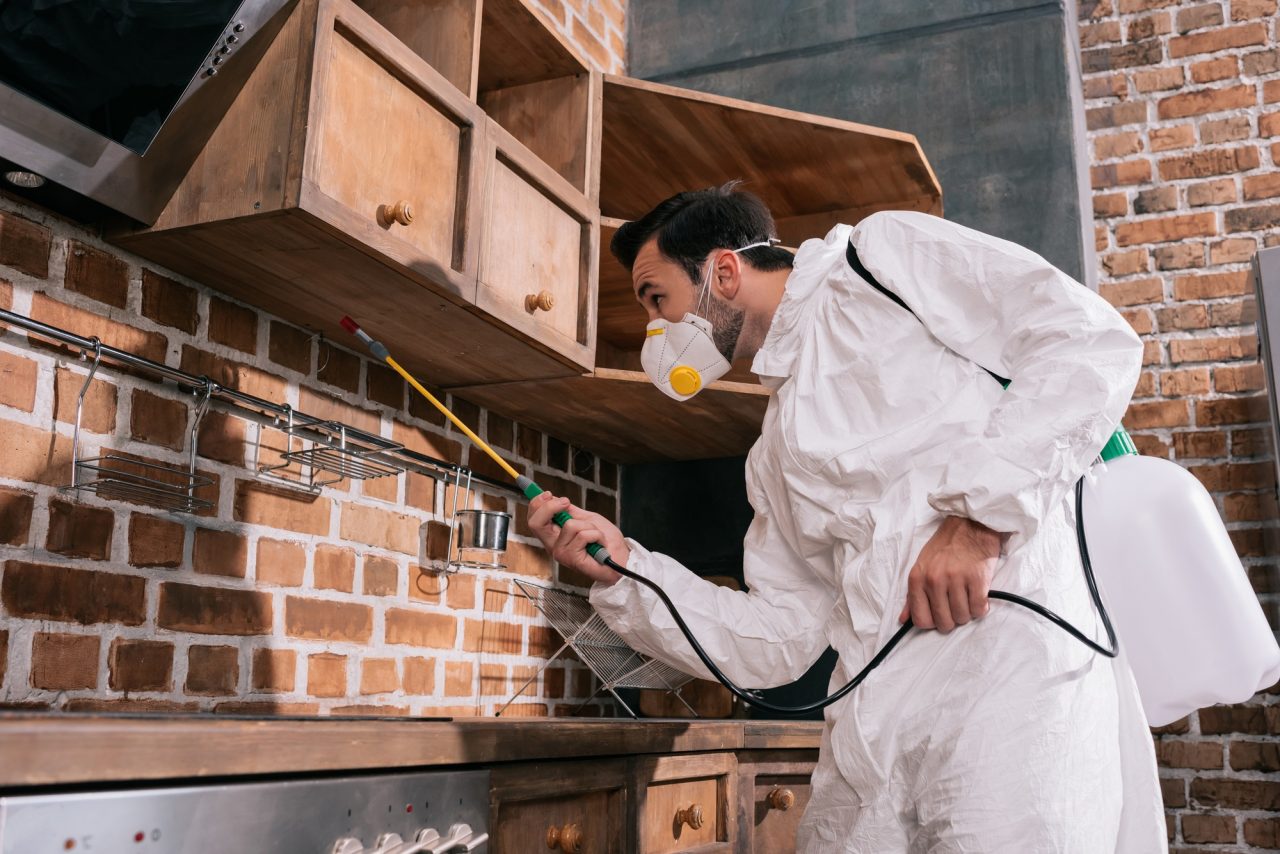
Professional inspection to detect visible and hidden mold growth, ensuring a safe and healthy living environment for your family.
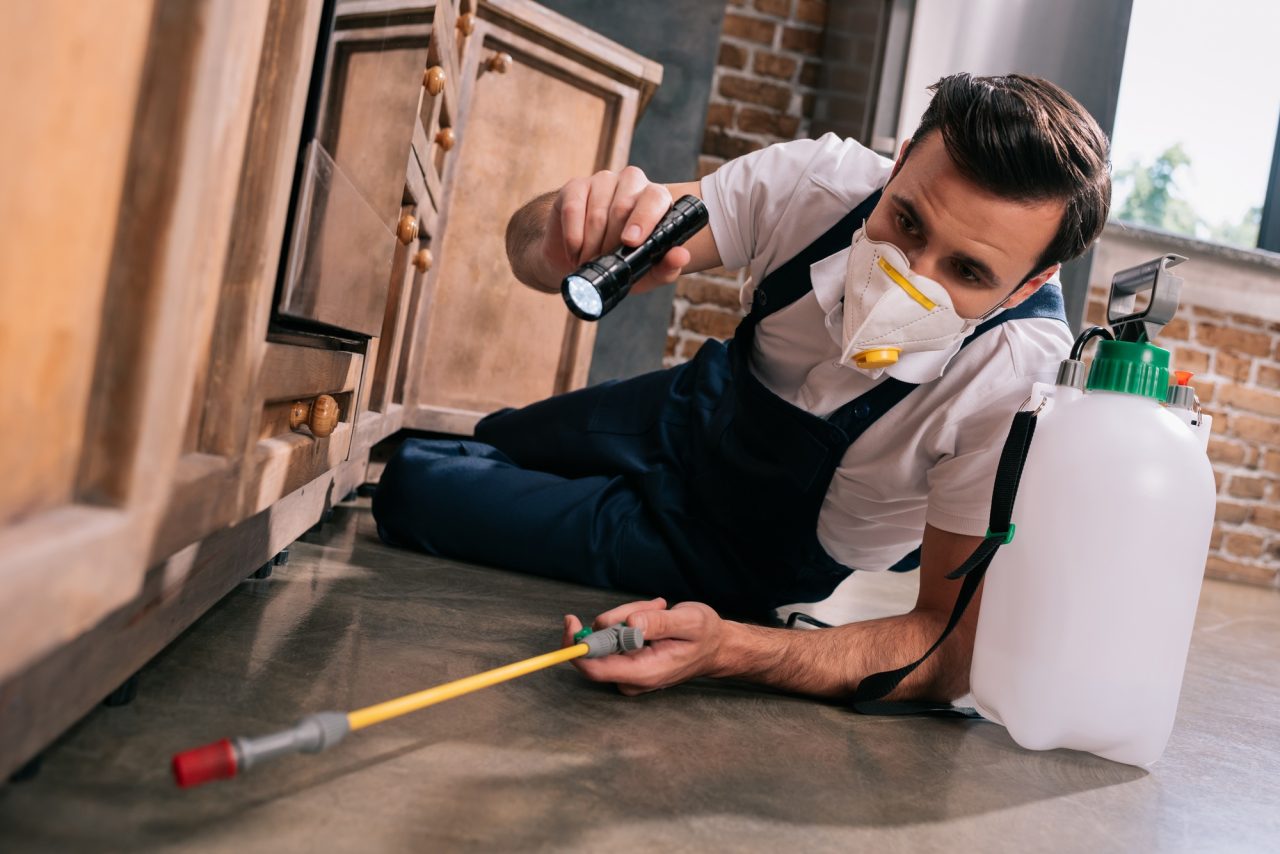
Comprehensive mold removal services for offices, buildings, and industrial spaces designed to maintain clean indoor air quality.
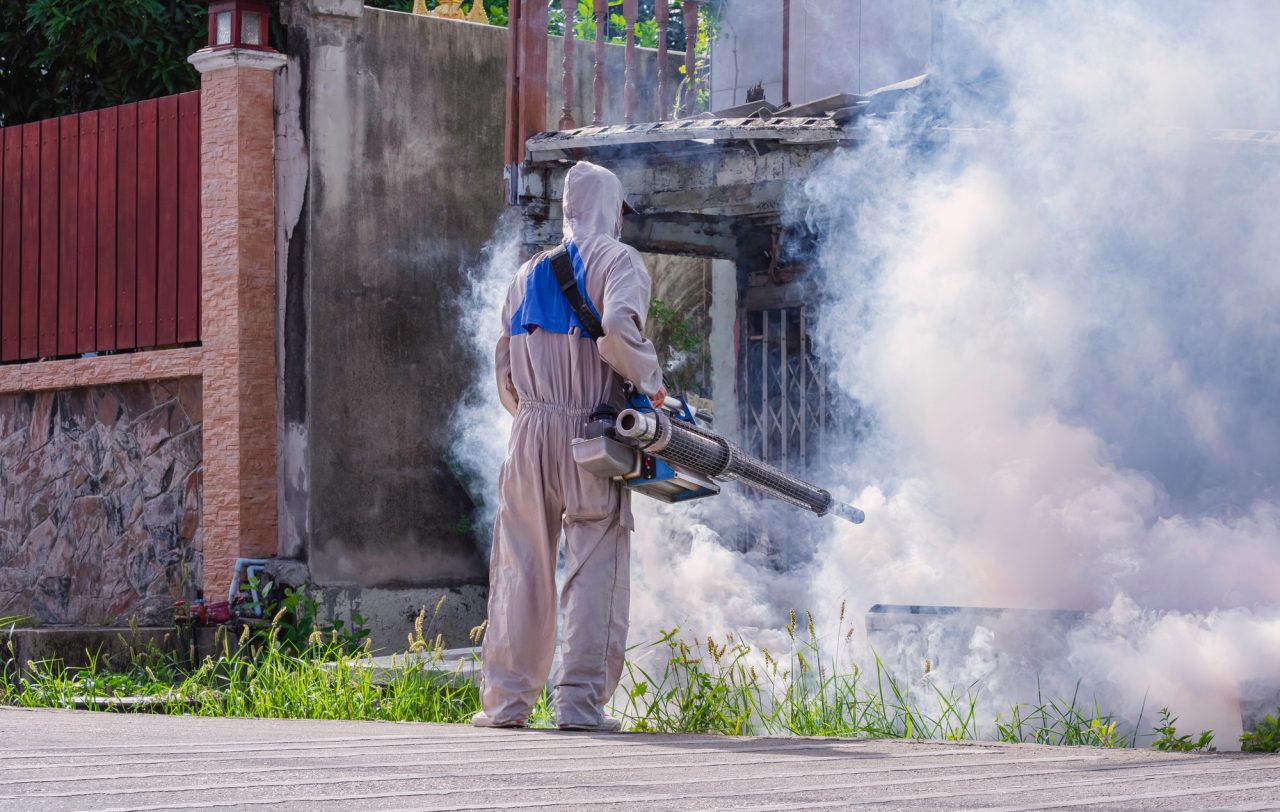
Accurate testing and analysis to identify mold spores and assess the air quality in your home or workplace.
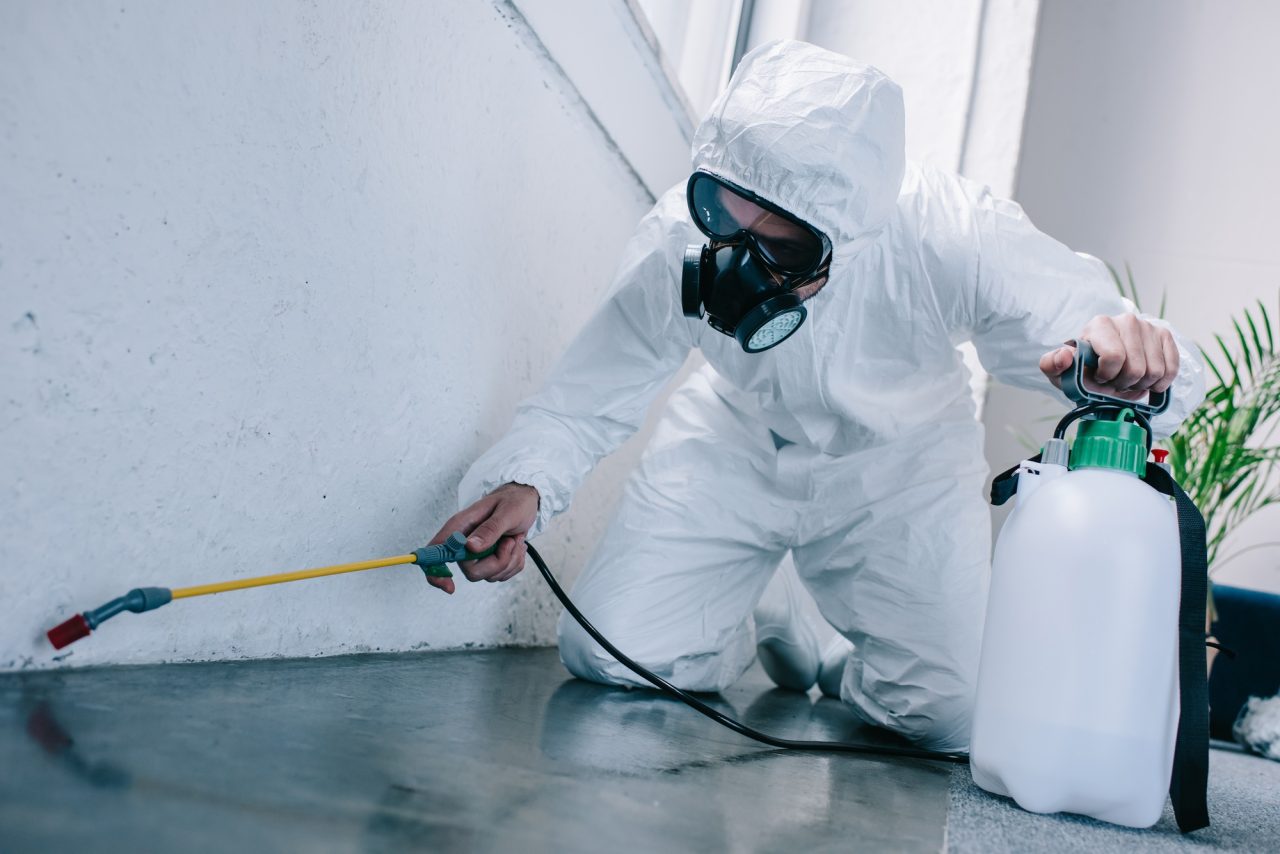
Advanced tools to identify sources of excess moisture and prevent future mold growth.
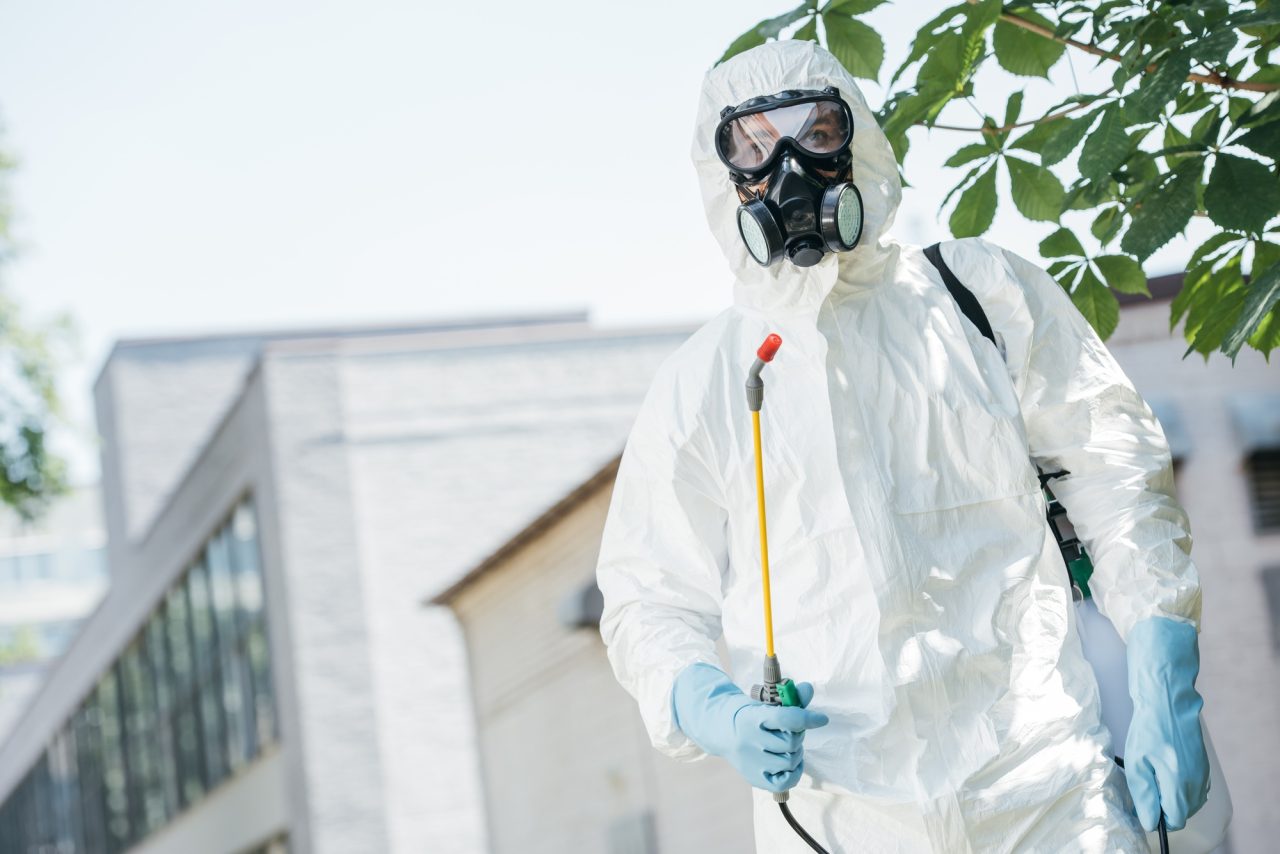
Fast-response remediation services available for urgent mold issues caused by flooding, leaks, or high humidity.
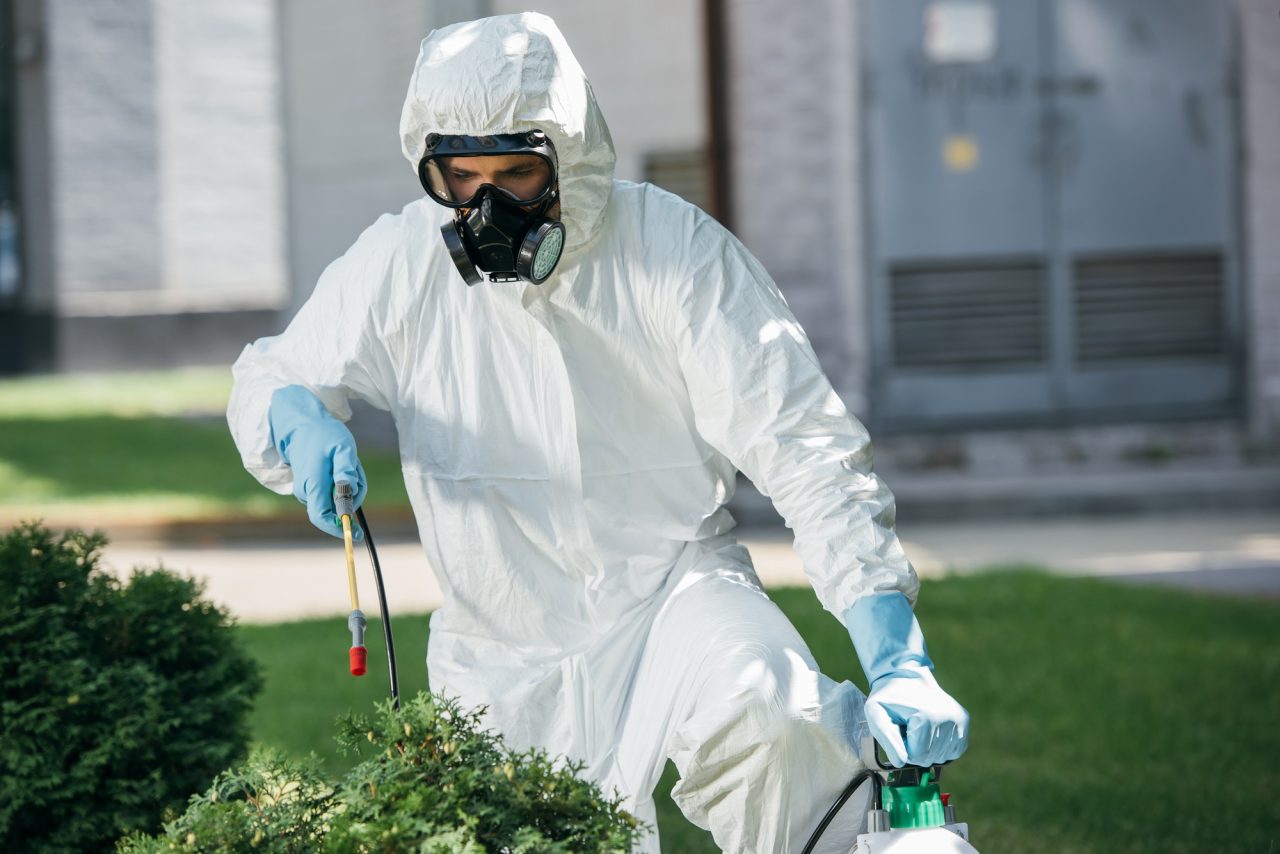
Safe, non-toxic products and sustainable cleaning methods that protect both your health and the environment.
Areas Served
Need More Help?
Our team is ready to provide expert mold removal assistance.
Get personalized guidance from our certified mold specialists to assess your situation and recommend the right service.
Need immediate mold inspection or removal? Submit a service request and our team will respond promptly.
For ongoing remediation projects or post-service maintenance, our support team is here to help.
Read our latest guides and articles on mold prevention, indoor air safety, and home maintenance.
Trusted by 25,000+ world-class brands and organizations of all sizes